
The Power of Understanding: Comparative Cultures 12
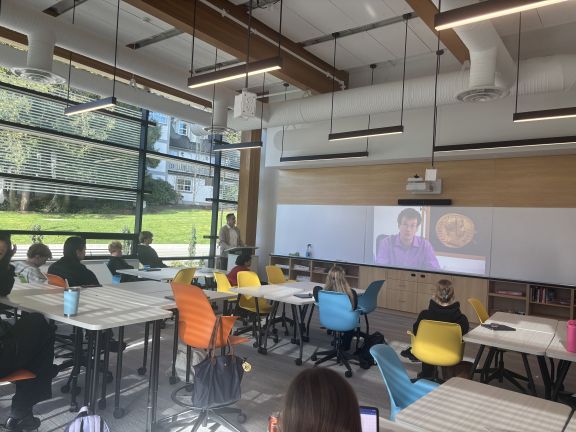
It is very rare that Comparative Cultures 12 fosters a quiet classroom; if you walk past, you would hear conversations regarding identity, belief, tradition, and respect. Comparative Cultures sparks curiosity, and students lean into exploring ideas and beliefs, and often leave the class with new knowledge. Mr Vitto Pasquale urges his students to step outside their comfort zone and into a world of open-mindedness and ultimate learning.
This past term, we dove into the diverse world of religion. Major world religions like Buddhism, Hinduism, Christianity, Islam, and Judaism have been taught and discussed in lessons. In this class, we don’t memorise beliefs or practices, but rather unpack the “why” and study the impact these rituals and symbols have on individuals. Miranda M, Alex ‘26, said, “Faith continues to shape societies across the globe, and I think we are really lucky to investigate the importance of religion.” Discussions go beyond the surface-level facts and delve deeper into meaningful reflection about how these religions influence daily life, politics, art, and most importantly, identity.
In the past term, we learned and debated where appreciation ends and appropriation begins. Cultural appropriation was one of the class’s most thought-provoking units, amplifying the course's power and the importance of changing your perspective. In a classroom filled with such diverse cultural backgrounds, each student brought a different outlook on the topic. Mr. Pasquale taught students to listen before responding; though conversations were not easy, they were needed. Irene T, Mack ‘27, said, “I enjoy coming to class and learning topics through a new lens.” Through many case studies and our own reflective essays, the class was able to see how borrowing elements of other cultures can result in erasure or sustain stereotypes.
Comparative Cultures is unique compared to other classes at Brentwood due to the unity the study fosters. Students are not asked to debate but to understand each other in purposeful ways. Every voice is heard in class, and every perspective adds depth to the fabric of change the class is making. Unity is practised daily, and we are constantly provided new information to grasp and interpret in our own ways. Mr Pasquale says, “Witnessing students think culturally about themselves compared to others objectively is special, and I’m grateful to teach such a course.”
In an age where differences divide people, Comparative Cultures proves something more powerful: when you sit down and learn with curiosity instead of judgment, hurdles begin to fall. Thank you, Mr Pasquale, for teaching us valuable lessons every class!
Lila C, Hope ‘26