



Spring Break: March 2027
Mountaineering Service Trip
To Nepal
application is now closed.

EDUCATIVE GOAL
MOUNTAINEERING HISTORY & MOUNTAIN LIVING
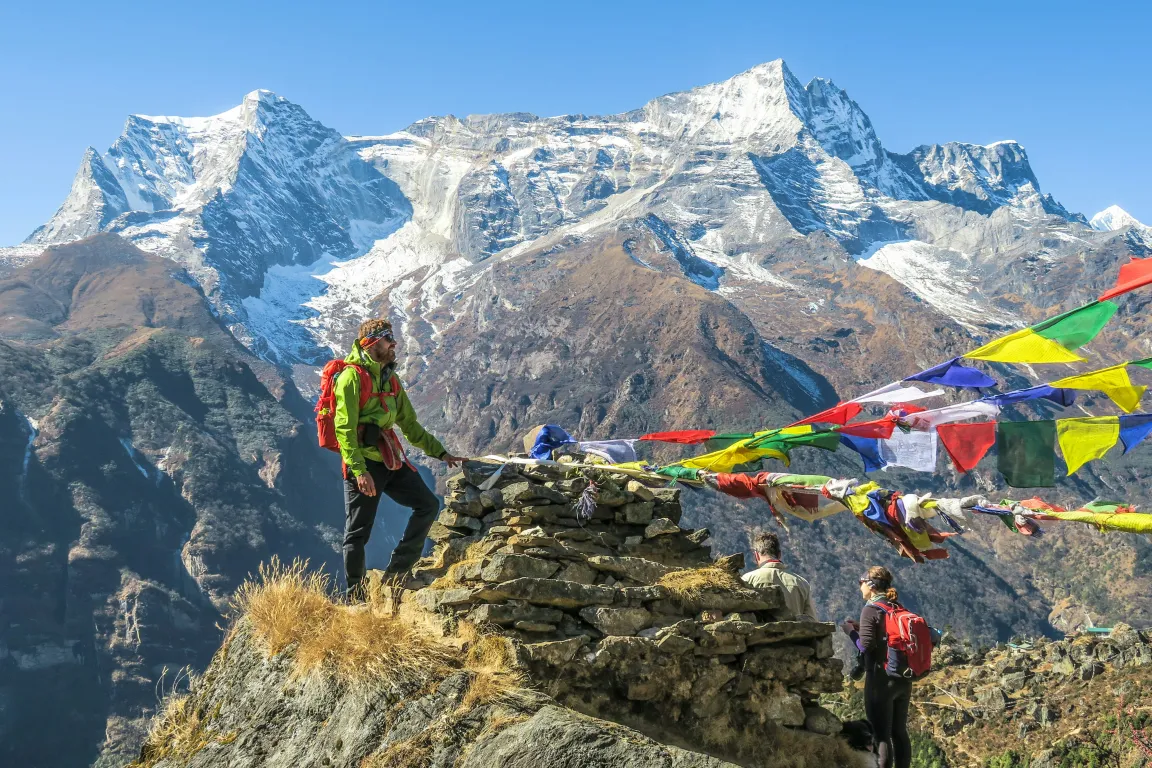
During this trip, students will be immersed in the daily living and history of Nepal. Being able to connect past and present through hands on experiences and conversations. While exploring Nepal, students will be given the opportunity to learn from locals on mountain living in the city and villages being visitied. Story sharing of the deep history on mountaineers from around the world converging on the region to attempt summits of the beautiful yet unforgiving peaks of the Himalayas. During discussions, students will learn about the devastating earthquake that hit Kathmanudu in 2015. Impacting the lives of the Nepalis forever after more that 9000 lives were lost and millions were displaced. Learning about what daily life looked like before and after the earthquake through the eyes of people who experienced it will set the stage for highlighting the resilience of the locals. Reflections on how the rebuild was and still is being done as well as how aid was distributed as the group walks the land that
shook that day will create a uniqe learning environment for the group.
Students will have countless opportunities to learn of the difference of daily living for the locals of the region. The detail and effort in ensuring comfort for the residences of the Himalayas will be a highlight of the trip. Opportunities to learn local practices of how waste is managed in Nepal will shed light on the differences of something not often thought about in daily life back home. The group will be supporting local recycling initiatives where they take plastic waste and convert into infrastructure or sustainable products. Visiting local tea houses to hear how establishments and officials handle the waste that is produced. Conversations about waste management and how Nepal has limited infrastructure to handle it causing changes to daily living not seen or thought about in Canada. Being able to assist in the management of these will allow students to reflect on their practices back home and open discussions with others around them.
Full Trip Outline & Costs
Day 1: Welcome to Nepal
MORNING
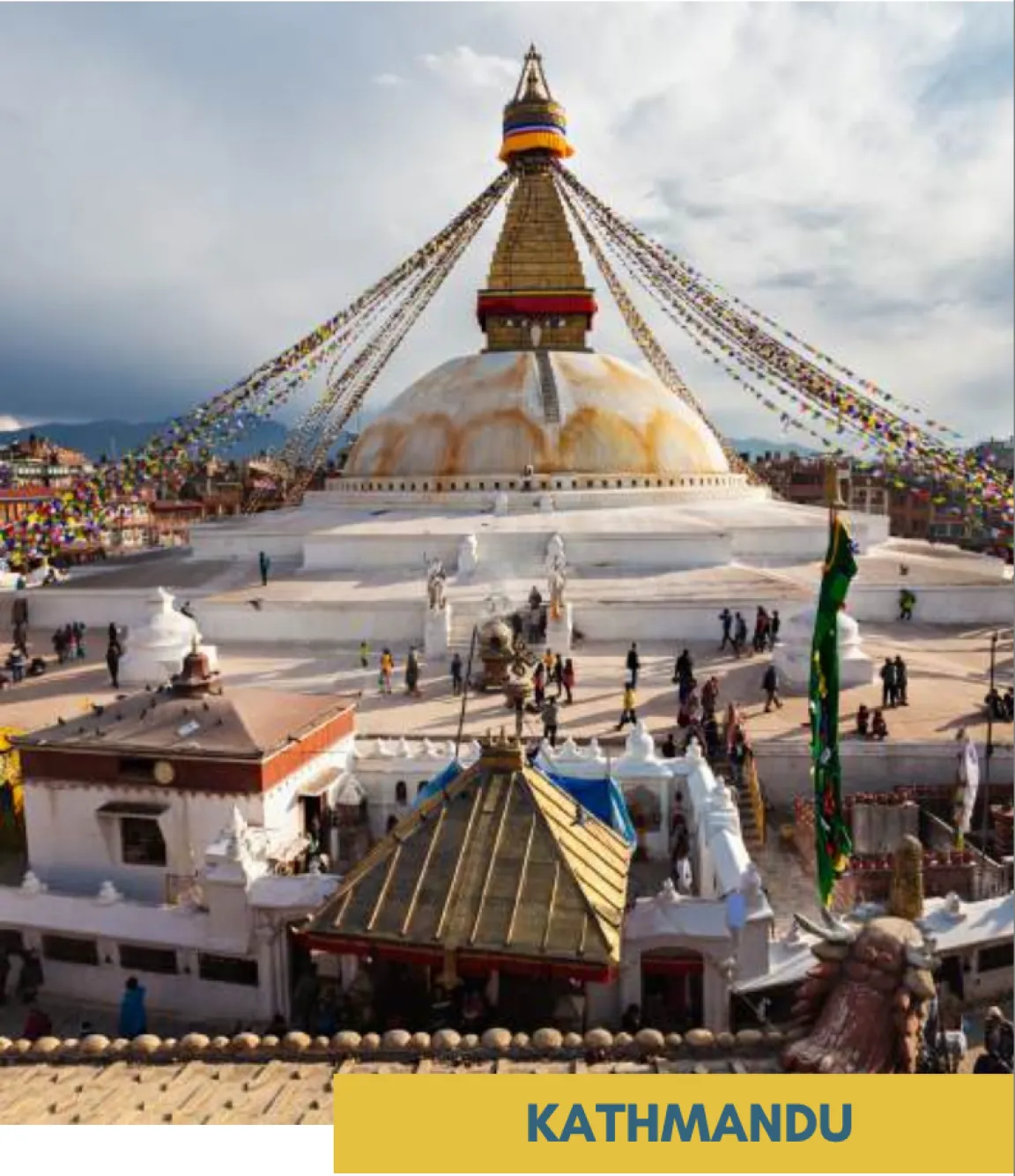
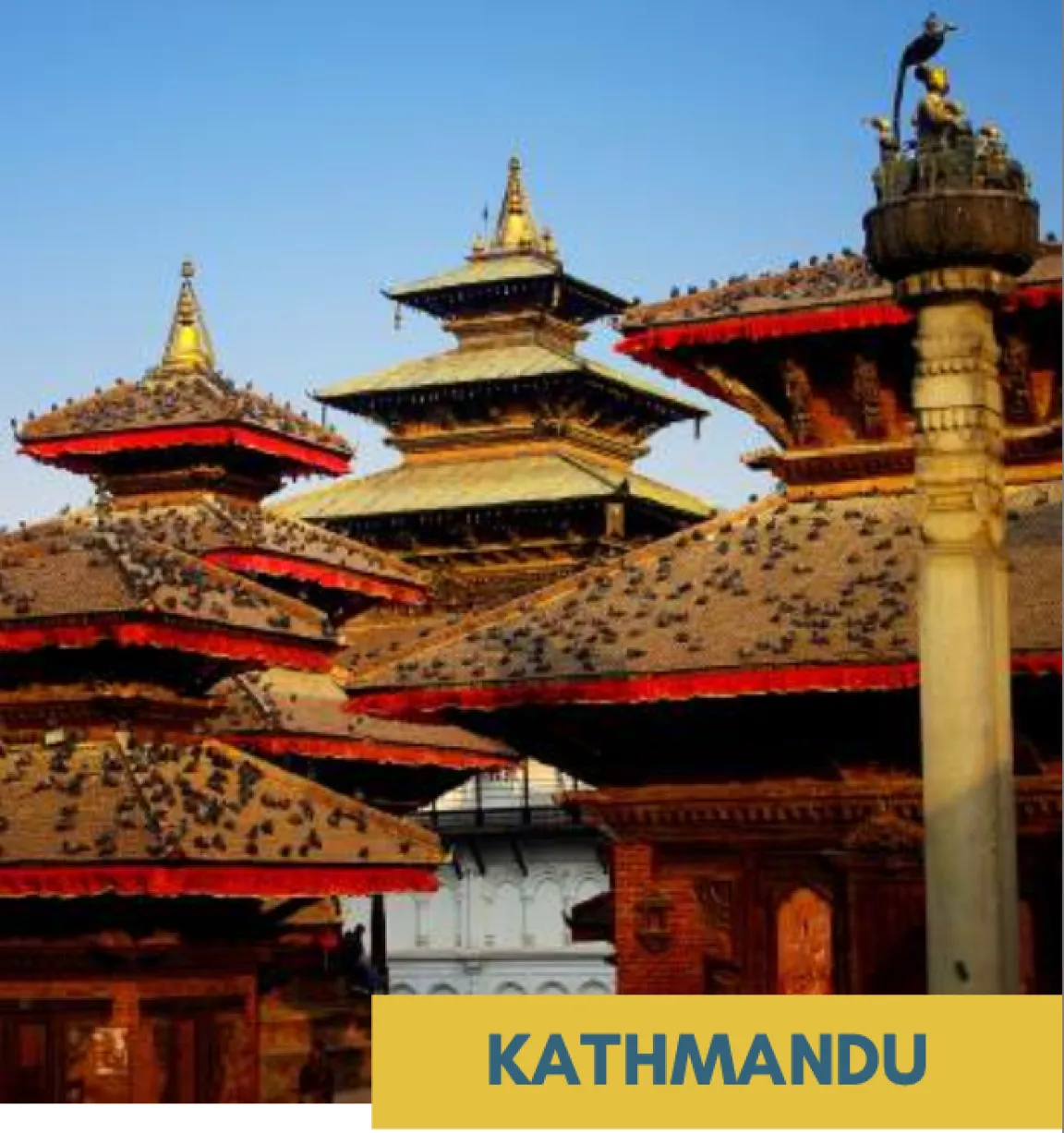
Arrive at Tribhuvan International Airport and enter the bustling energy of Kathmandu. The city hums with rickshaws, temple bells, and the scent of incense. Students are introduced to Nepal’s layered history as they transfer to their hotel, easing into the rhythm of this vibrant city.
AFTERNOON
In a welcome briefing, students reflect on their intentions and the journey ahead, setting personal and collective goals. Dinner introduces them to Nepali cuisine, connecting culture and culinary tradition while prompting discussion about curiosity, adaptability, and group cohesion.
DAY 2 KATHMANDU VALLEY & BHAKTAPUR EXPLORATION
MORNING
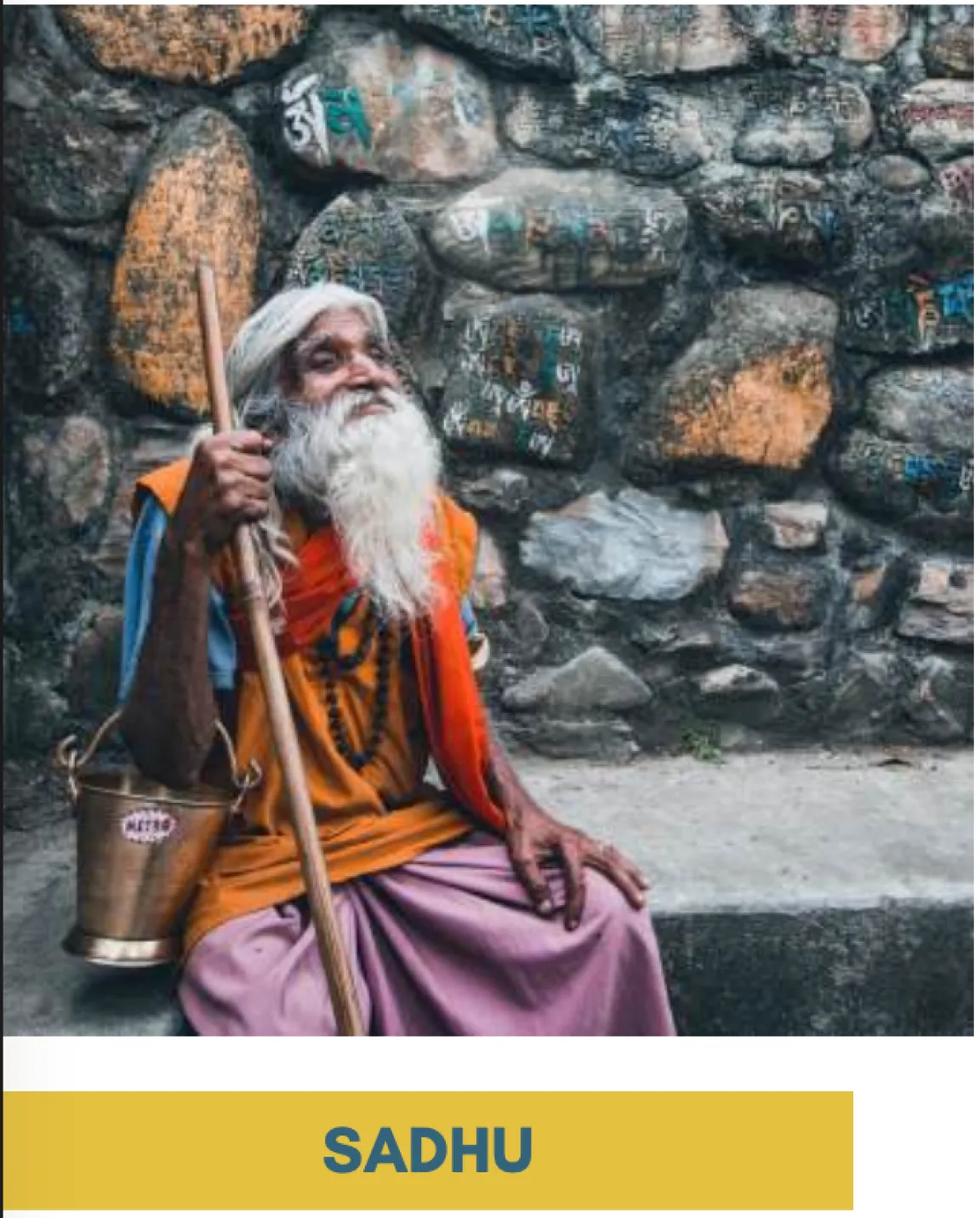
Explore the sacred Pashupatinath Temple along the Bagmati River, where saffron-clad priests perform rituals and the gentle murmur of the river frames sacred chants. Students observe these living traditions and reflect on spirituality, community, and the rhythm of daily life.
AFTERNOON
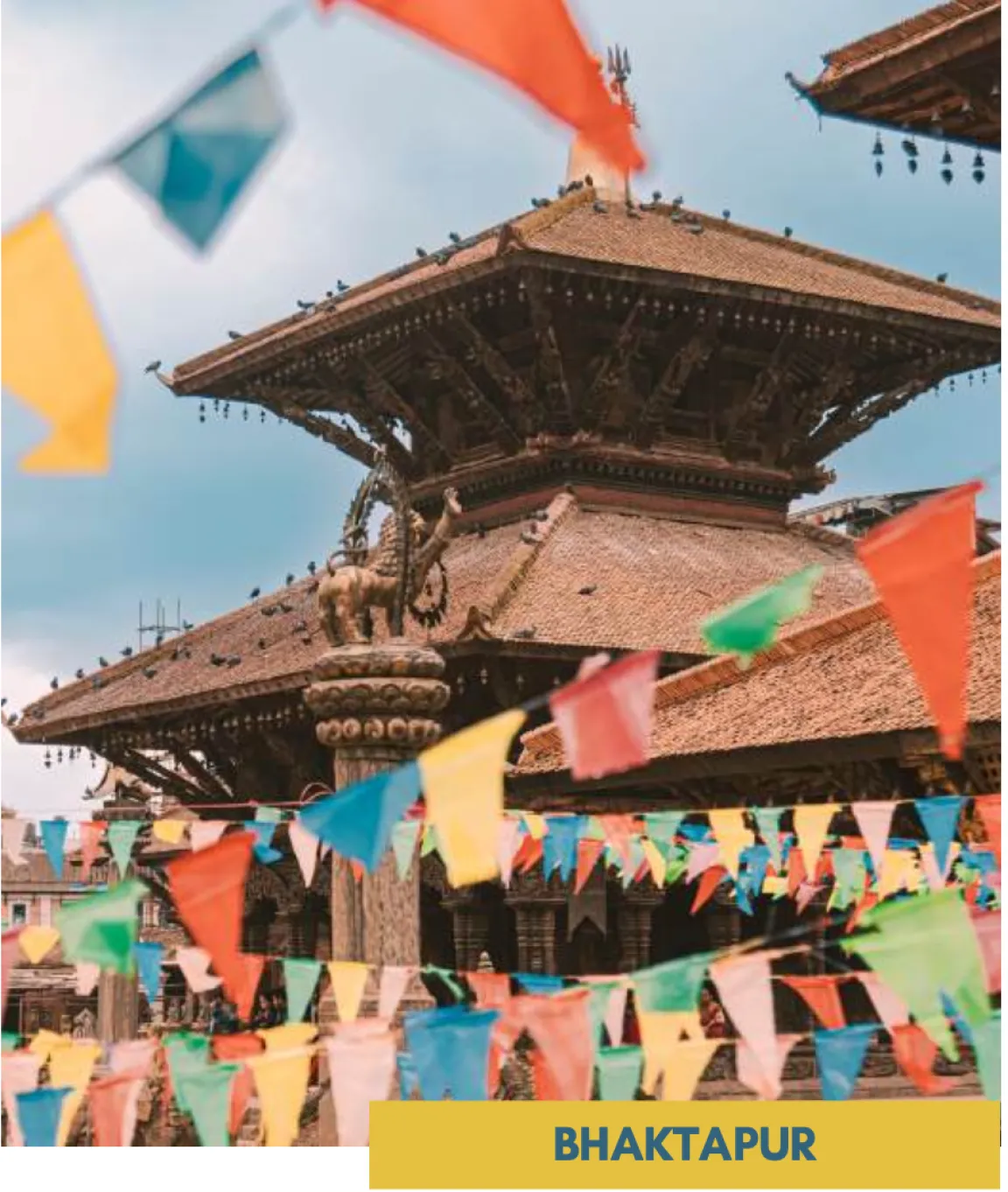
Travel to Bhaktapur Durbar Square, a UNESCO World Heritage site alive with intricate carvings, courtyards, and history. Discuss post- earthquake restoration and resilience, connecting these themes to adaptability and perseverance in students’ own lives.
DAY 3 CRITICAL EXPLORATIONS
MORNING
We start the day with our final preparation for the expeditionary part of our program. When we feel ready for the mountains, we take a deeper delve deeper into Kathmandu’s cultural layers. Students engage with local artisans, practicing respectful questioning and mindful observation.
AFTERNOON
Explore hidden temples and lanes, journaling impressions and reflecting on cultural empathy. Discussions focus on ethical engagement, curiosity, and the importance of humility in understanding other ways of life.
DAY 4 MOUNTAIN BOUND
MORNING
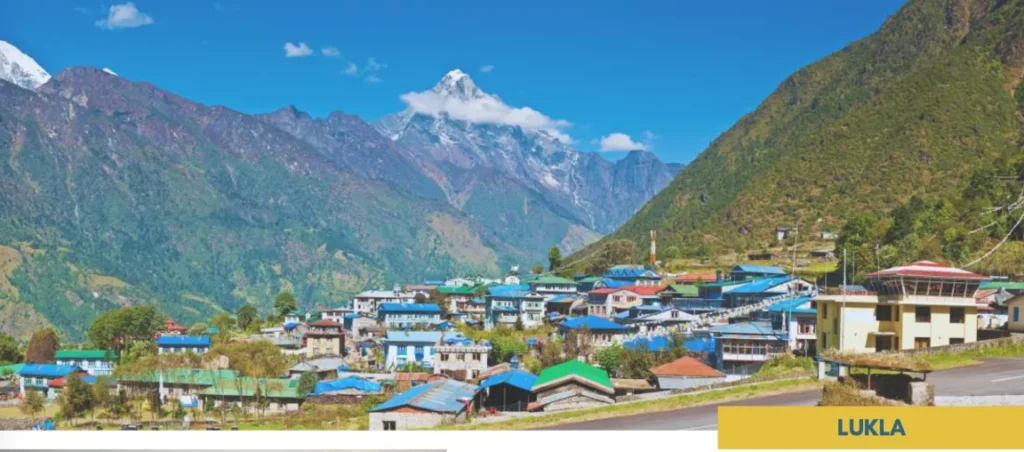
Board the small plane to Lukla, with jagged Himalayan peaks unfolding beneath the wings. Students marvel at snow-dusted ridges, glacial valleys, and the tiny villages clinging to the mountainsides.
AFTERNOON
Trek gently to Phakding (2,610 m), crossing pine forests and the Dudh Kosi River. Students practice teamwork, pacing, and mindful attention to surroundings while learning about Sherpa culture and high-altitude ecology.
DAY 5 TREK TO NAMCHE BAZAAR
MORNING
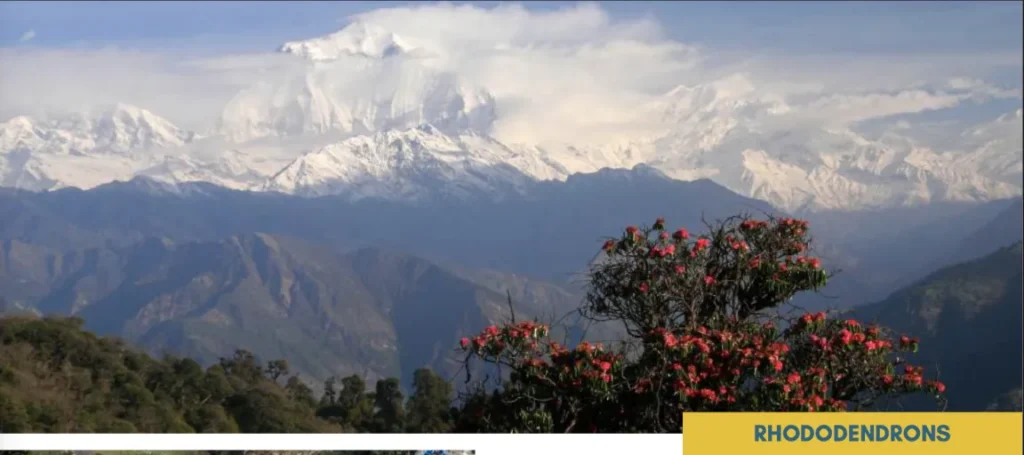
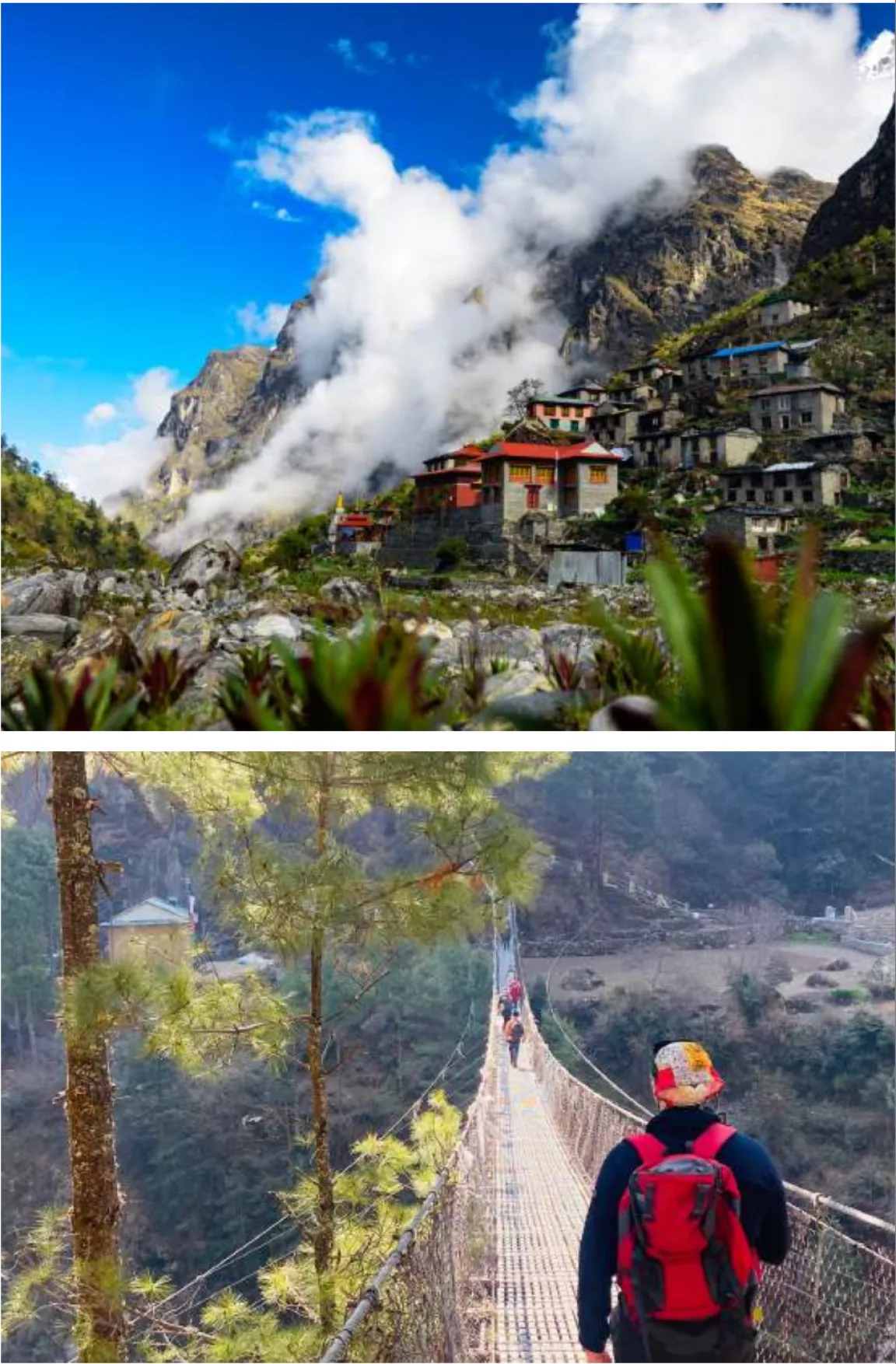
Continue trekking through pine and rhododendron forests, crossing suspension bridges that span icy rivers. The mountains rise in grandeur as students approach Sagarmatha National Park, discussing how altitude and environment shape communities.
AFTERNOON
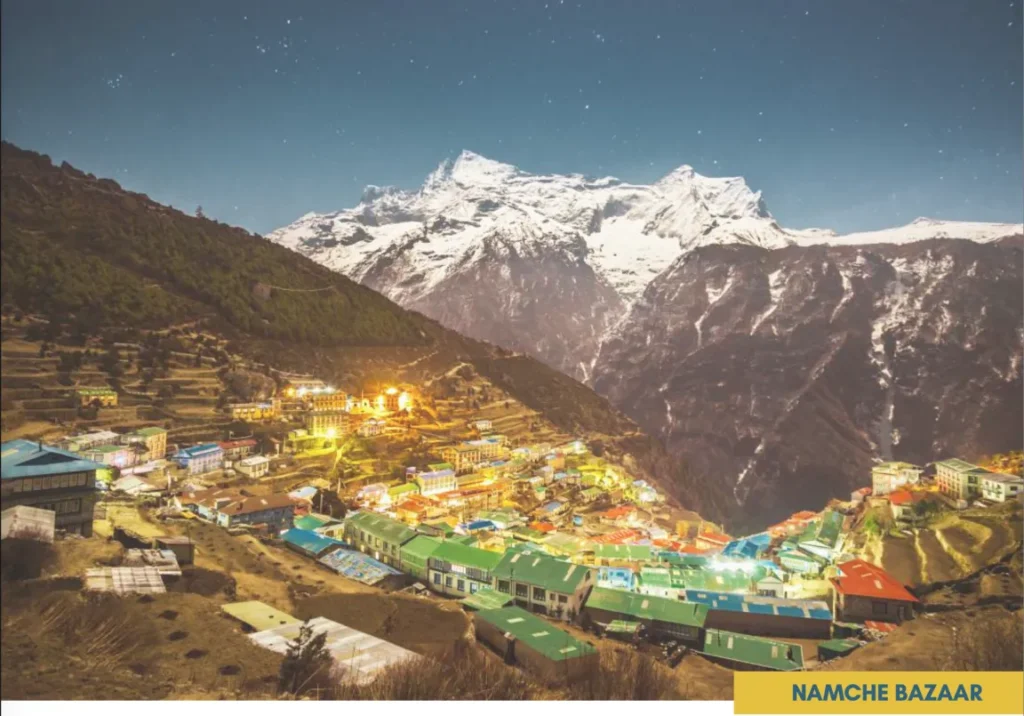
Arrive in Namche Bazaar (3,440 m), the bustling Sherpa capital. Explore the village and discuss its historical significance as a trading hub and mountaineering gateway. Students reflect on resilience, collaboration, and the ways culture and environment intersect.
DAY 6 ACCLIMATIZATION & MOUNTAIN LIVING IN NAMCHE
MORNING
Conduct Mountain Living Interviews with local residents. Through conversation and observation, students explore daily rhythms, earthquake recovery, and community resilience. This builds empathy, communication, and cultural insight.
AFTERNOON
Visit Sagarmatha National Park Visitor Center, observing unique Himalayan flora and fauna. Discuss historical mountaineering expeditions, connecting lessons of resourcefulness and perseverance to personal growth and teamwork.
DAY 7 WASTE MANAGEMENT DAY HIKE
MORNING
Meet representatives from the Sagarmatha Pollution Control Committee to learn about mountain waste management strategies. Students engage in dialogue on environmental stewardship and sustainable practices.
AFTERNOON
Hike to the Everest View Hotel (3,880 m), collecting litter along the trail. Panoramic views of Everest, Lhotse, and Ama Dablam underscore the fragility and beauty of this ecosystem. Students reflect on stewardship, responsibility, and the connection between action and impact.
DAY 8 BUDDHISM & MONASTERY VISIT
MORNING
Trek to Khumjung Village, surrounded by terraced fields and soaring peaks. Visit Khumjung Monastery, where monks share insights on compassion, community, and mindfulness. Students observe rituals and reflect on how spiritual practices guide resilience.
AFTERNOON
Wander through the village, noting traditional homes and daily routines. Students discuss how mindfulness, empathy, and communal support shape ethical leadership and personal growth.
DAY 9 EMBRACE THE MOUNTAINS
MORNING
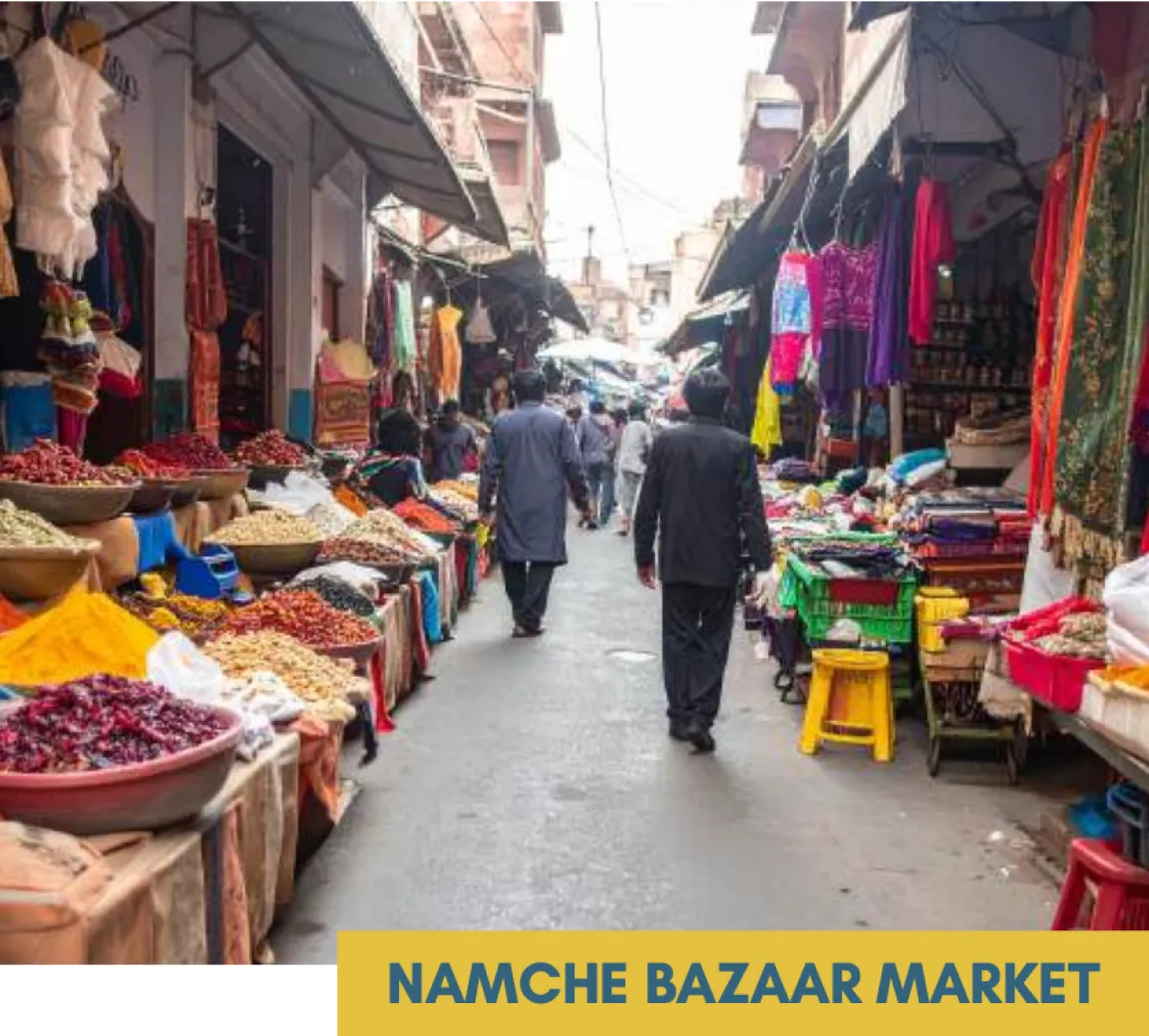
Today is a day of calm and recuperation. Giving our bodies some rest, we take the opportunity to explore the market, engage in thoughtful and guided journalling and soak in the beauty of our surrounding.
AFTERNOON
Students analyze strategies, discuss environmental stewardship, and connect hands-on service with character development, resilience, and community engagement.
DAY 10 DAY HIKE TO THAME (OPTIONAL)
MORNING
Trek to Thame (3,800 m), exploring a quieter Sherpa village framed by towering Himalayan peaks. Observe the monastery and learn about local mountaineering history. Students reflect on perseverance, cultural heritage, and humility in new environments.
AFTERNOON
Explore village life and traditional homes, practicing observation and reflection. Return to Namche Bazaar, celebrating the lessons and connections formed during mountain life.
DAY 11 DESCEND TO LUKLA
MORNING
Descend through forests and ridges toward Lukla. Students focus on teamwork, mutual support, and reflection on how they’ve adapted to challenging terrain.
AFTERNOON
Arrive in Lukla, share stories, and celebrate accomplishments. Students consolidate lessons of resilience, cultural curiosity, and environmental responsibility.
DAY 12 ARTISAN ECHOES
MORNING
Scenic flight back to Kathmandu. Students take in the receding mountains, reflecting on the magnitude and fragility of the landscape.
AFTERNOON
Transfer to the hotel and enjoy free time for reflection, journaling, or photography. Evening dinner and discussion focus on connecting mountain experiences to personal values and global citizenship.
DAY 13 KATHMANDU AND REFLECTIONS
MORNING
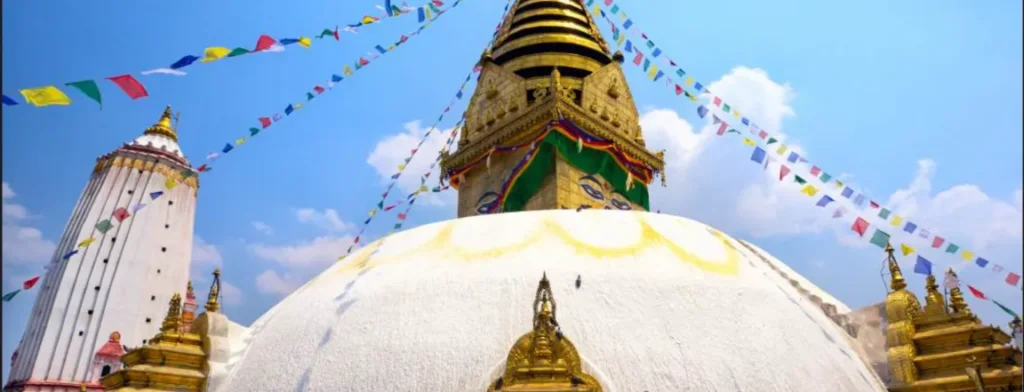
Visit Swayambhunath Stupa (Monkey Temple), absorbing panoramic views of Kathmandu Valley. Students practice mindful observation, reflecting on culture, spirituality, and resilience. Take a Buddhist Thangka painting class which teaches the sacred Tibetan art, serving as a meditation tool and spiritual aid.
AFTERNOON
Group workshop synthesizes trip insights—students share reflections, journal excerpts, or creative outputs, exploring how lessons learned in Nepal can inform daily life, leadership, and community engagement.
DAY 14 A SENSORY FAREWELL TO NEPAL
MORNING
Spend your final day wandering the streets of Kathmandu at an unhurried pace, weaving through markets and courtyards one last time. This is a chance for thoughtful souvenir shopping, final photographs, and quiet moments of noticing, such as the curl of incense in temple doorways, the clang of prayer bells, the layered colours and sounds that have become familiar. Students are encouraged to choose keepsakes that carry meaning, stories, and memory rather than novelty.
AFTERNOON
After lunch, return to the hotel to gather, pack, and prepare for departure, carrying with you the physical and invisible souvenirs of the journey. Students organize journals, photos, and personal insights as tangible takeaways.
DAY 15 TRANSFERENCE
MORNING
In our final reflection together, we ground ourselves in gratitude and name the moments that stretched us, challenged us, and helped us grow. Through shared stories and guided reflection, we explore how the skills, values, and perspectives developed on this expedition, such as resilience, responsibility, curiosity, and care for place and people, can be intentionally transferred into our daily lives, relationships, and choices once we return home.
AFTERNOON
Transfer to Tribhuvan International Airport for departures and say our final farewell, leaving with deeper understanding of resilience, cultural empathy, environmental stewardship, and our own potential as engaged global citizens.
PROGRAM FEE
Included in the Program Fee:
ALIVE Outdoors facilitator
Local guide and porter
Shared accommodation at hotel
All meals in Nepal (participants must pay for their food/snacks while in transit at the airports and if they require additional snacks outside of daily meals)
Crisis management and evacuation coverage for approved situations
All transportation between destinations in Nepal
Internal flights to Lukla
The program fee for two complimentary staff with 12 paying students.
$7500-8000 CAD*
*This cost represents minimum student sign up price, price is reduced depending on number of students who sign up
*Alive Outdoors will also create fundraising opportunities for students
Not included in the program fee:
Student and School Staff round-trip airfare to Tribhuvan International Airport , Kathmandu
Travel medical insurance
Travel vaccinations
Travel documents (Canadian Passport Holders require a visa to enter Nepal)
Personal spending money for souvenirs.
Important note on pricing:
The program fee outlined in this proposal is based on current availability, pricing, and program design. It is subject to change until the point of booking and may be adjusted if significant customizations are requested beyond the scope of this itinerary. This proposal is valid for a limited time and reflects costs at the time of preparation. Final pricing will be confirmed at the time of contract.


Where Students Choose To Be
+1 (250) 743-5521
admissions@brentwood.ca
info@brentwood.ca
2735 Mount Baker Road
Mill Bay, BC, Canada V8H 1K8