
The Art of the Call: Stepping into the Booth for English 10
Walking back onto the Brentwood campus after Spring Break usually means one thing: the familiar grind toward final exams. But for Grade 10s, the standard English curriculum has been flipped on its head. Instead of spending the next two months analyzing Shakespearean sonnets, we have entered the season of English 10 Electives.
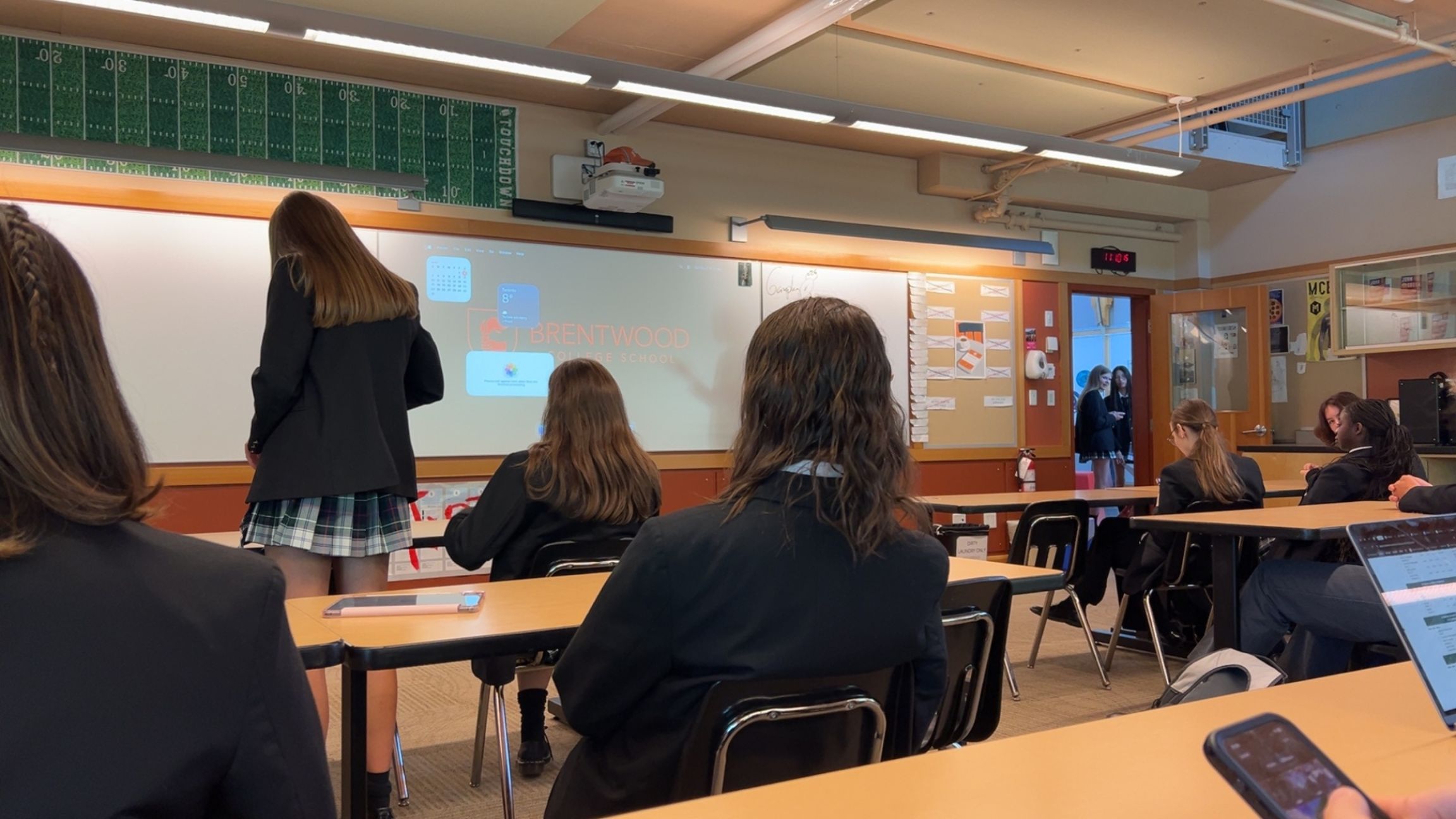
For six weeks, the grade splits into four specialized rotations: Kid Lit, Screenwriting, Vampires, and the one currently causing a ruckus in the classroom, Boom Goes the Dynamite. Taught by Mr Collis Handford, commonly known as TCH, this rotation swaps pens for microphones and silent reading for high-energy play-by-plays.
The rationale behind doing this instead of normal English is simple: storytelling isn’t just found in books: it’s alive in the voices that narrate our greatest sporting moments. This rotation forces us to look at the art of oral communication and the ability to build a narrative in real time. While other classes are debating vampire lore, we are breaking down the cadence that turns a simple game into history. Cormac W, Ellis ‘28 added “This is a much more fun way to learn English.”
The six-week journey is anchored by two major projects. The first is our “What a Hit” assignment, where we select an iconic piece of commentary and perform a literary analysis on it. We look at the structure, the word choice, and how the commentator used volume to amplify the drama. It turns out a legendary goal call is much more than that; it’s a cleverly crafted poem.
The second assignment is our “Commentator Project.” This is the ultimate test where we commentate on a sporting event of our choice. The real beauty of this assignment is the flexibility we have: “The sport is nothing, commentary is everything” quips TCH. We can cover anything from professional soccer matches to the high-stakes drama of the “Marble Olympics.” Whether the clip is two minutes or two hours, the goal is for us to deliver engaging commentary that keeps the audience hooked.
In class, TCH gives us constant opportunities to practice our commentating and writing skills. “I love coming into class knowing it’s going to be a fun time,” Connor T, Whittall ‘28 said. We spend our time writing “What a Hits” and learning how to provide color commentary, figuring out how to fill dead air without stumbling. It’s a fast-paced, loud, and incredibly rewarding way to spend English classes. We’re still learning the core pillars of language, but we’ve just replaced the quiet of the library with the roar of the crowd.
Miguel N, Whittall ‘28


Where Students Choose To Be
+1 (250) 743-5521
admissions@brentwood.ca
info@brentwood.ca
2735 Mount Baker Road
Mill Bay, BC, Canada V8H 1K8