
Efficiencies and Beauty: Brentwood’s Centre for Visual Arts and Global Studies
The thousands of students and their teachers who will benefit from the incredible range of opportunities provided by Brentwood’s new Centre for Visual Arts and Global Studies will become abundantly aware of the building’s beauty and facilities, but most will never know of its incredible efficiency and technical innovation. These characteristics will significantly reduce its environmental footprint and minimize its operating costs for decades to come.
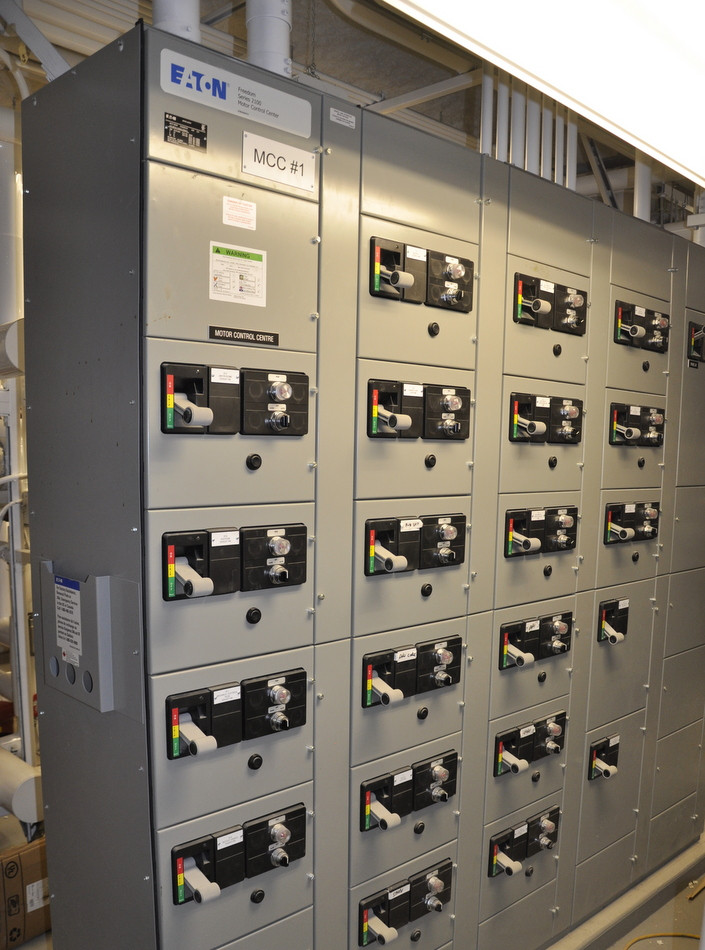
Project Coordinator, Brentwood Governor Ward Phillips, tells me that this state of the art facility features energy efficiencies galore, designed to require two-thirds less energy than standard buildings its size. Many of these efficiencies have been maximized by cutting edge computer modeling, which considered the angle of the sun, our penchant for winter rain and our proximity to the ocean. This modeling has also helped reduce building costs by hundreds of thousands of dollars.
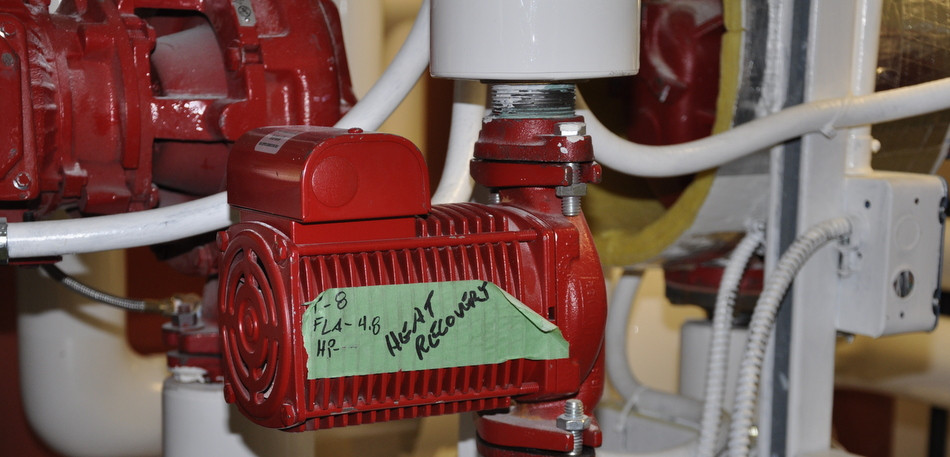
Like Allard House, the Bunch Theatre and Crooks Hall, heating and cooling will be provided by a geothermal loop on the ocean floor. This source has sufficient capability so that it can also be extended to Mackenzie House and the Ross Centre in the future. During the sunnier months, water for the building will be heated by solar panels, with excess hot water transferred to the dining hall. In the winter months, water will be heated by high efficiency, on-demand natural gas burners.
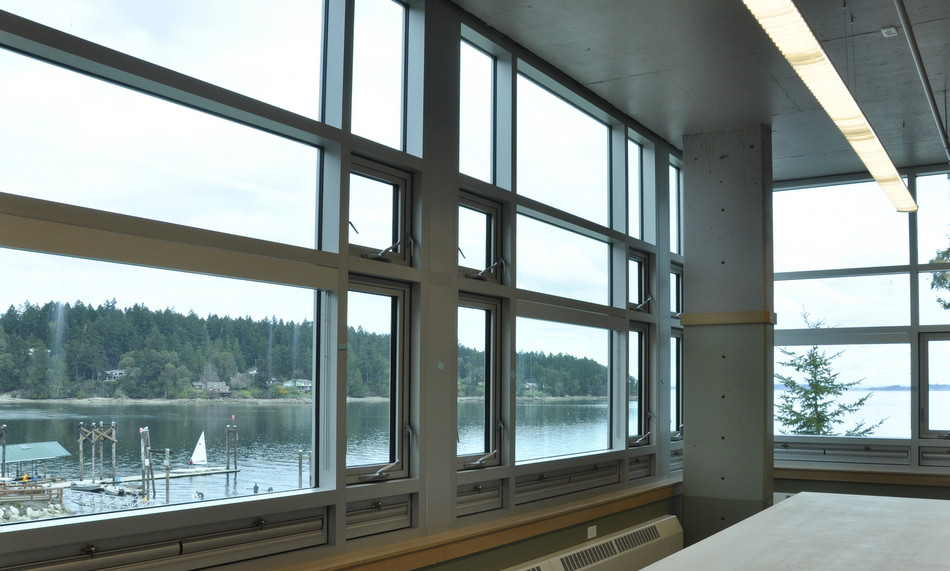
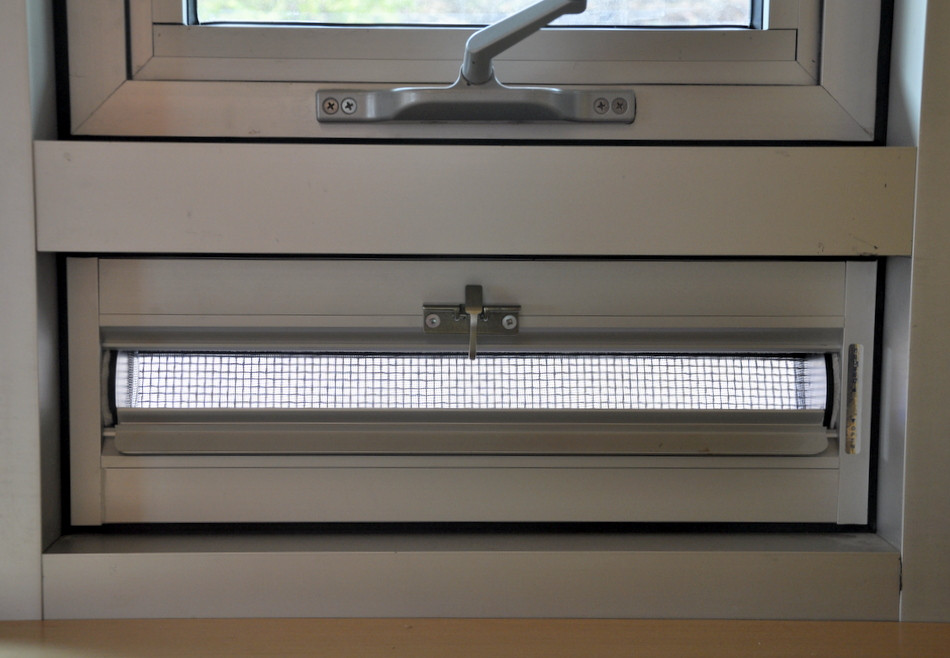
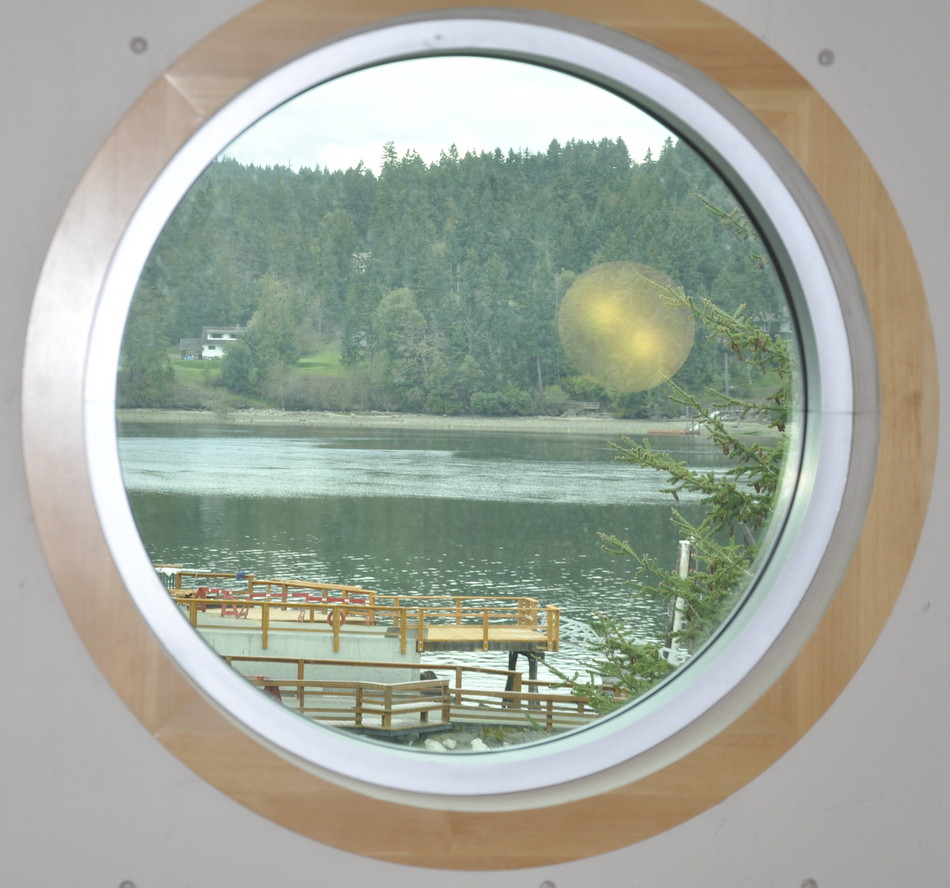
The building was also designed, considering a 365 day a year sun chart, to maximize natural light. Many rooms feature floor to ceiling, Low E argon filled windows. In fact, the building included three different types of windows. The first are those we grew up with: if it’s too warm, open them; if it’s too cold, close them up. There are also windows that will open and close automatically based on digital feedback. The third are trickle vent windows, commonly used in naturally vented buildings like ours.
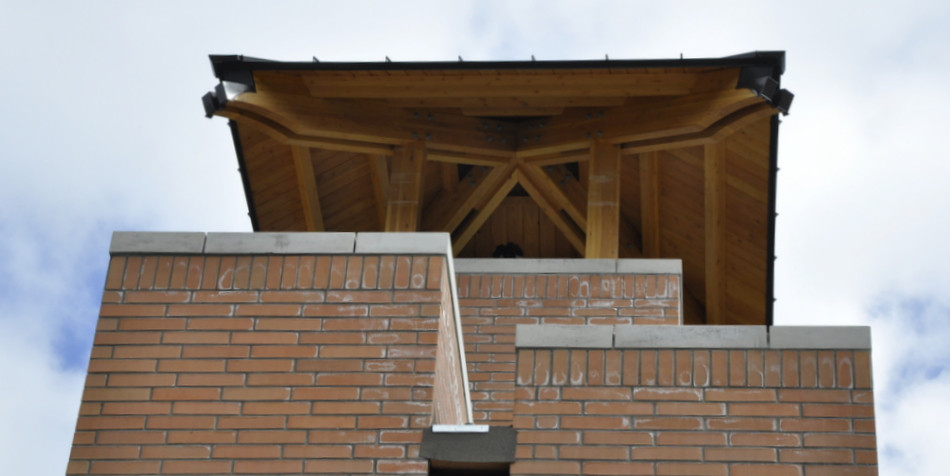
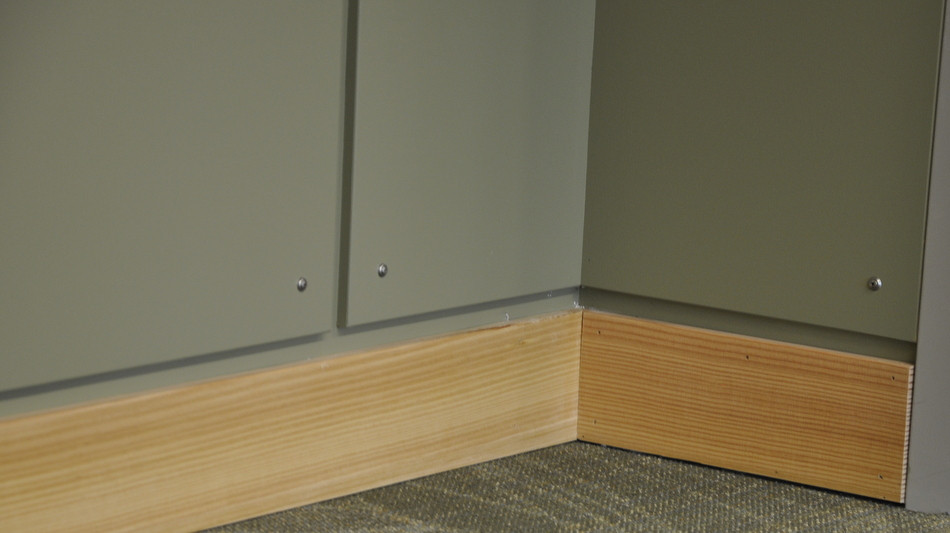
The campanile, which features a 1906 bell, a gift from Governor Ward Phillips, will be the handsome visual centre of campus. Form has followed function, however, in that the campanile houses all the HVAC systems of the facility. Outside landscaping will feature edible plants, a concourse for the Brentwood Regatta, and connections to the Millennium Trail and Campbell Common. The handful of trees which needed to be removed before construction began have been locally milled and the wood is feature in the interior trim.
Jim Ganley


Where Students Choose To Be
+1 (250) 743-5521
admissions@brentwood.ca
info@brentwood.ca
2735 Mount Baker Road
Mill Bay, BC, Canada V8H 1K8