
From Farm to Table: The Benefits of Eating Locally
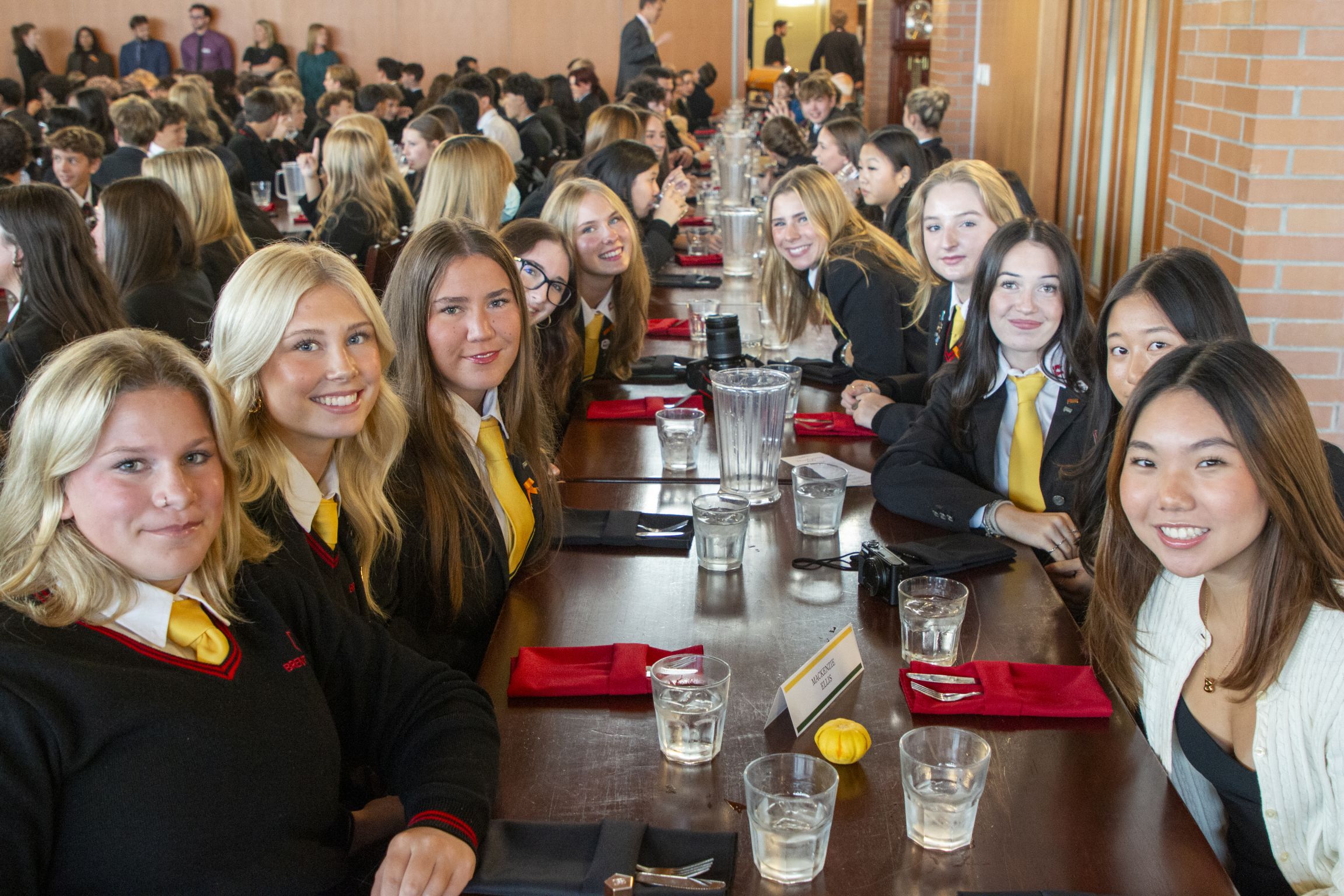
At Brentwood, meals are an integral part of students’ everyday lives; they are a time in the day to take a break from our busy routines and to spend time connecting with friends in Crooks Hall. “I’ve learned to appreciate the no-phone rule in the dining hall because it has taught me to be truly present during meals which is something I’m grateful for” shares Jayden W, Hope ‘26. Brentwood is lucky to have an incredible Food Services team that works tirelessly around the clock to provide and care for our community, making sure that all of our staff and students are fed every day. We are tremendously grateful for the work that they do.
Not only does the Food Services team provide top-quality food for our school, they are also working to improve our school’s sustainability by sourcing food that is grown locally.
A locavore is a person whose diet consists only, or principally, of locally grown or produced food. To many, this word is meaningless, and often when we sit down for a meal, we don’t give a second thought about where each ingredient comes from. However, we must begin doing so, because about one-third of global greenhouse gas emissions are linked to food, and part of that is the ‘food miles’ – the emissions produced transporting the food. This is why the decisions we make regarding food are extremely important, because they do impact the environment.
Beef and dairy foods also tend to have a much higher carbon footprint than many others. For example, beef has a far higher carbon footprint than other proteins, including pork, chicken, fish, eggs and plant-based proteins. Choosing more low-carbon and plant-based options and purchasing locally when possible can significantly decrease the carbon footprint of a meal.
In a time of troubled trade relationships with our southern neighbour, it’s also a good thing to enhance food security and independence.
Mr Sanderson, the Head Chef at Brentwood, shares that a large portion of the school’s food comes from Vancouver Island, and explains that “When sourcing food, we have to take volume and price into consideration, but we like to purchase locally as much as possible”. Brentwood purchases from many local businesses, including Farmer Ben’s Eggs, Portofino Bread, organic greens from Wicklow Farms, Island Farmhouse Poultry, salmon caught off Vancouver Island, and apples from nearby farms. Furthermore, much of the food waste that we produce is taken by Al Johnson, a member of the maintenance team, to feed rescued animals
Chief purchasing officer for Food Services, Ms Sarah Ross, expands on the process of sourcing local goods, explaining how relationships are established by the Food Services team reaching out to companies, or farmers approaching the school and offering their products. Ms Ross expresses that these relationships are important because they help Brentwood to build connections with the community, and says that “It’s nice because both our school and the neighbouring farms and companies are able to benefit from this”.
Education is key when it comes to making thoughtful decisions regarding the food that we consume. With greater understanding of the environmental impacts of different types of food, the school, staff and student body have the power to make choices that can collectively have a significant and positive impact on the sustainability of our school – and our planet.
Tema BC, Hope ‘26


Where Students Choose To Be
+1 (250) 743-5521
admissions@brentwood.ca
info@brentwood.ca
2735 Mount Baker Road
Mill Bay, BC, Canada V8H 1K8