
Regatta Waste Management Gets Tactical
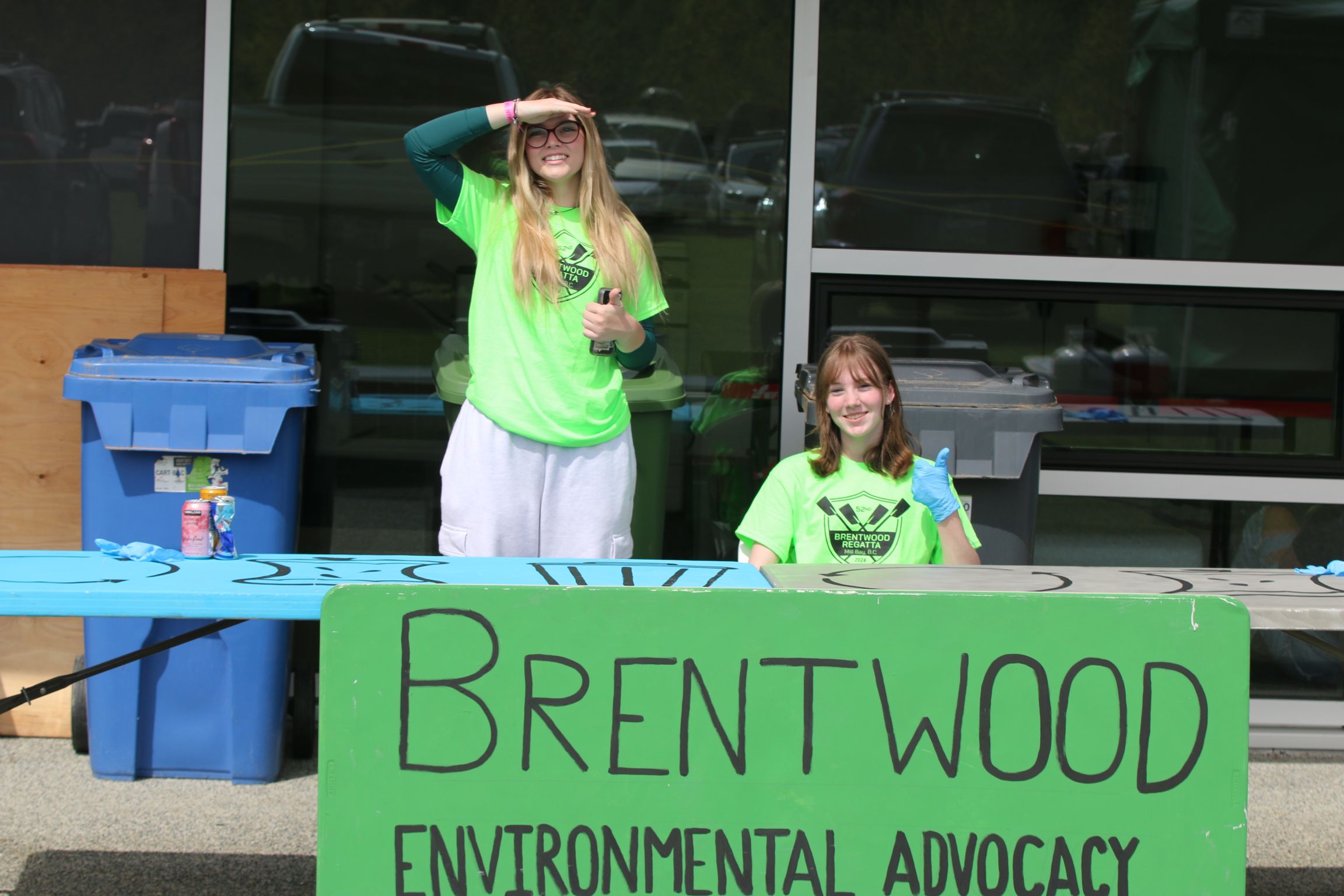
During Brentwood Regatta, students of the Environmental Advocacy class and the BEAT (Brentwood Environmental Action Team) took responsibility for waste management around campus including out on Campbell Common by the Regatta booths. The booths were very successful and, as a result, lots of waste was created.
It’s important to have waste management stations around campus during a busy event like the Regatta because according to Angus C, Privett ‘25, one of the waste auditors, “When it comes to waste management people will throw their stuff in the wrong bins to avoid interaction or people just don’t care enough to do it properly. We’re doing this because it ensures a cleaner campus and it saves resources and protects the environment. It’s important to recognize that garbage produced in this region of Vancouver Island is sent to the Roosevelt Landfill in southwestern Washington State, 750 kms away, which is why we should also try to minimize waste by composting and recycling.”
After interviewing Environmental Advocacy teacher Ms Miller she expressed that “Mr Byron says the biggest issue is contamination – a chronic issue on campus. Because so much waste is created, we need to be creative with how we capture it. People come from so many different places with different rules, rowers are tired and busy, and people don’t think twice about where their trash goes, they just want to get rid of it. Therefore, people just pop it into whatever bin is closest. Even when we put people to monitor how they dispose of their waste, the social pressure of being right stops people from interacting with our supporters. However, as soon as one person uses the waste station, others follow along. We saw this with the entire waste station; as soon as someone gave their trash to our volunteers, everyone started to do it”.
We also learned that we need to create incentives for people to take the time to sort their waste thoroughly. Co-Captain of Environmental Advocacy Lauren C, Mack ‘23 voiced that waste managers “noticed that people would go to other garbage and oftentimes they would miss sorting their waste. Making it more obvious, fun and educational will improve this and “there needs to be an incentive for social interaction”.
Post-Regatta discussions in the EA class included the idea that lollipops and other sweet treats be used to reward people who sort well. After all, Lollipops worked for the Chordettes!
BEAT and EA Co-Sponsor Mr Ganley reflected on the process: “The students thought carefully, worked hard, and learned a great deal from the experience. With our student leadership and Mr Byron’s assistance, we’re sure to do it even better next year.”
Felix D, Whittall ‘24


Where Students Choose To Be
+1 (250) 743-5521
admissions@brentwood.ca
info@brentwood.ca
2735 Mount Baker Road
Mill Bay, BC, Canada V8H 1K8