
Crouching Hamster, Hidden Rabbit
Some people feel the need to take care of things – living things. It’s a motherly or fatherly instinct that passes over some people and manifests itself in others; some are content with the only life they harbor being the mold on the crust of a forgotten sandwich, or, in extreme cases, the colony of fungi sprouting from a misplaced wet towel (ask Mr. Collis for details). However, those who are more committed, or long for their pets at home, opt for more animated forms of life.
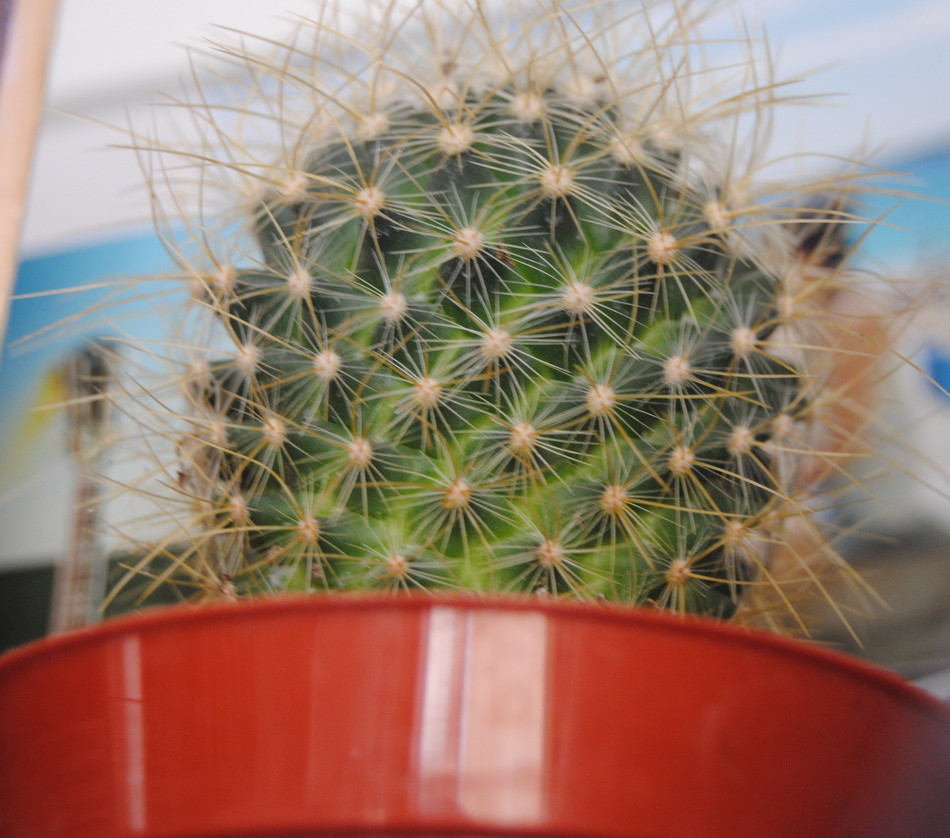
On the continuum of care-giving, slightly above mold and decay, we have the common cactus. This ‘pet’ is suitable for those who are unable or unwilling to offer much love; you can forget about them for weeks, months even, and they will remain stoically and somewhat eerily exactly the same. They aren’t even fun to cuddle – the perfect pseudo-pet for the non-committed.
Various houseplants follow the cactus, perfect for those ready to commit to the light watering schedule. Most die, to be honest; the sight of a wilting fern, leaves brown and curling at the tips, is not an uncommon sight during number one inspections. This is mostly because those who have the desire and capability to actually water a plant more than once a month usually upgrade to an actual breathing animal. They spend their love and money on something more demanding – a fish, perhaps – which leaves the houseplants in the hands of well-meaning but neglectful owners.
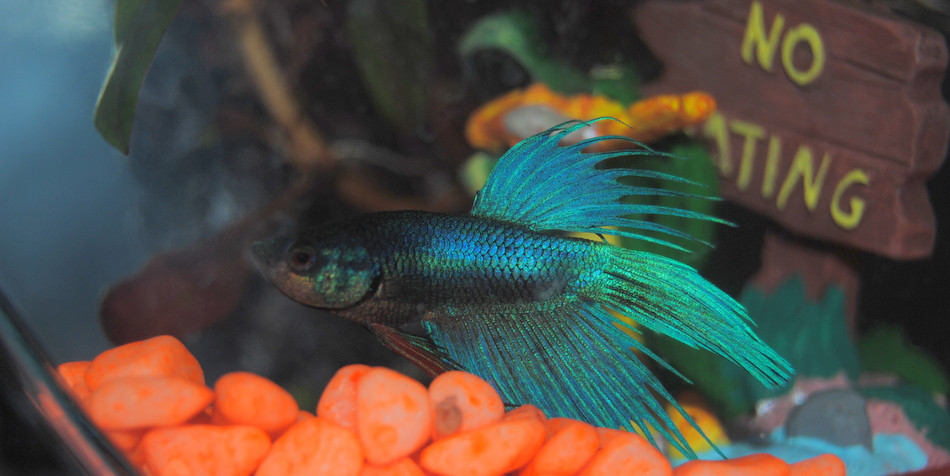
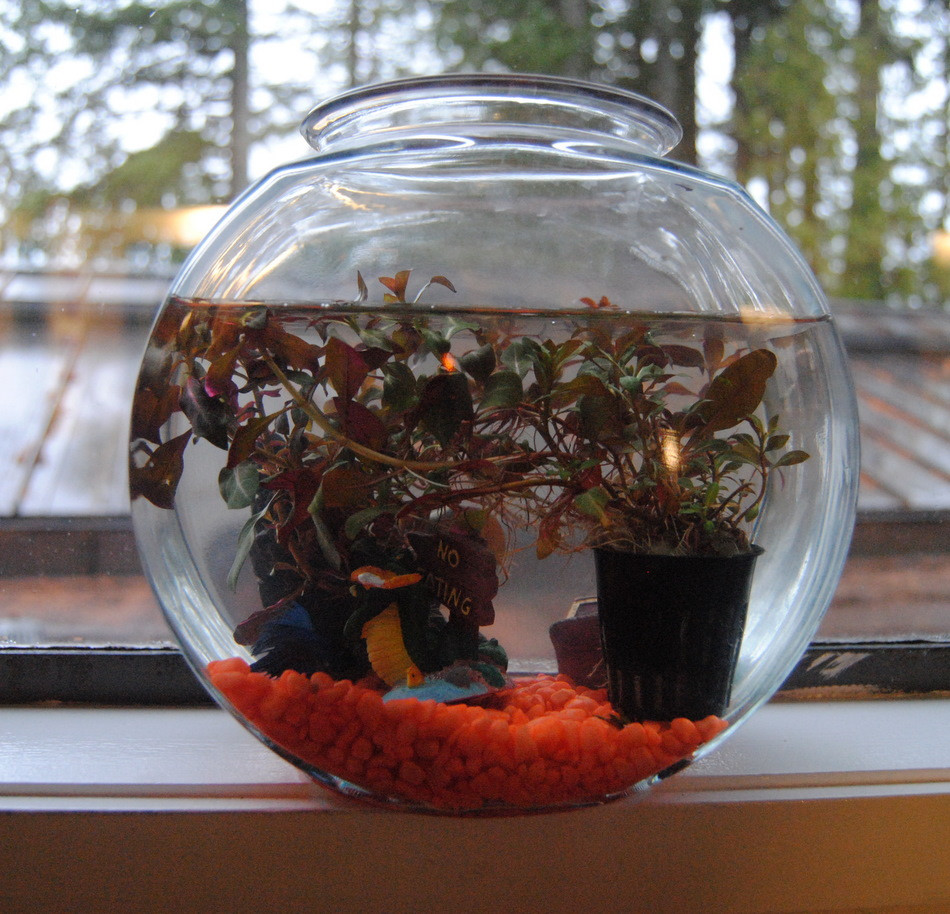
At the common goldfish, we reach the boundaries of an acceptable dorm-pet. The students who opt for a fish are usually the ones, either consciously or unconsciously, pining for their pets left at home: real pets, not placebos like vases of flowers or cacti (it seems like only in an environment like Brentwood are photosynthesizing life forms considered household pets – given names even).
I – the proud new joint-owner of Navi the fish – am one of these people. At home, halfway across the world, I have two semi-mentally-challenged Indonesian street cats. One of them, whose facial features look perpetually lop-sided, enjoys catching bats and getting embarrassingly defeated in street fights, his wounds visible as missing tufts of fur from his nether-regions. The other loves to sleep on top of the barbeque and hates baths, subsequently suffering through a fungal infection in her ears in her early stages of life. We also had a gender confused rabbit (named Buttercup-Johnson-President) who liked to eat cat food. All of them are like illiterate, stupid, cherished younger siblings, and replacing them with a desert plant is like trying to replace a member of your family with a plank of wood and continuing to call it by name at the dinner table.
It is with people like me that the illicit pet problems start – and with this statement I am in no way condoning or admitting to owning one – all I’m saying is that I understand the appeal of the concealed hamster, the hidden mouse, the undiscovered rabbit, iguana, snake, tarantula (I’ve already tried two types of cactus, a houseplant, and various planted flowers – and found them all lacking). Although hard to believe, these animals have, and perhaps even still do, live on the Brentwood grounds.
It is said that if you turn New York City upside down and shake it a couple of times, all sorts of things will fall out of its sewers and alleys – the usual rats, pigeons and stray dogs, mixed in with the utterly bizarre: lions, bears, wild cougars, monkeys, all animals you wouldn’t even imagine living in a city. Turn the Brentwood campus upside down and, although to a lesser extent, the same phenomenon would occur – or so I’ve been told. Regular and expected, you would find seagulls, house parents’ cats and dogs, even the odd mouse or too. But over the years, Brentwood has seen its fair share of unexpected and prohibited animals.
Hidden hamster cages, their residents rolling down the halls in hamster balls during prep, unseen by duty staff; taken to assemblies in blazer pockets; passed from hand to hand undetected during advisor meetings. Mice, purchased on Victoria shopping trips, which survive undiscovered through the ride up the Malahat and back to school, only to be uncovered during the next #1 inspection in a dresser drawer. Iguanas of high sentimental value, found acting as third roommates for an entire Brentwood student’s career. Maybe the trials and successes of fostering an illegal pet conjure up almost the same feeling of family shared with dogs and cats and rabbits at home – maybe through the triumph of remaining undiscovered, Walter the hamster and dozens of other unnamed but well-loved pets offer comfort to students. Owning a fish is just not the same.
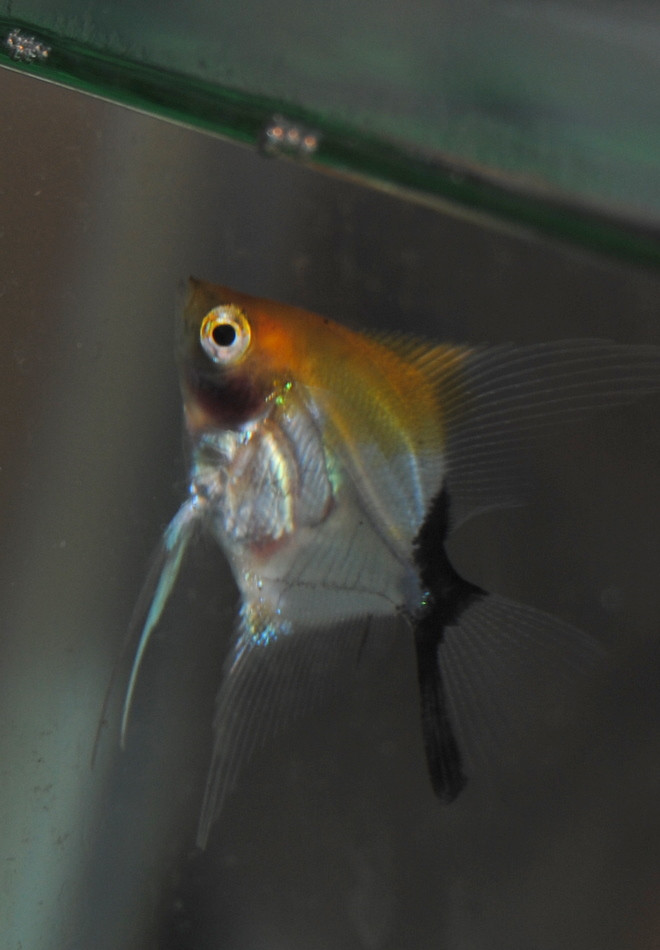
It’s another aspect of boarding school life that no one really considers: the odd and illicit replacements we find for the pets we’ve left at home. Whether cactus, fern, frog or fish, if you are a care-giver at heart you have probably already unknowingly tried to replace your beloved dog or cat with a placebo – and if you haven’t already done so, you’d be surprised, despite their official illegality, by what is possible….
Annie B


Where Students Choose To Be
+1 (250) 743-5521
admissions@brentwood.ca
info@brentwood.ca
2735 Mount Baker Road
Mill Bay, BC, Canada V8H 1K8